
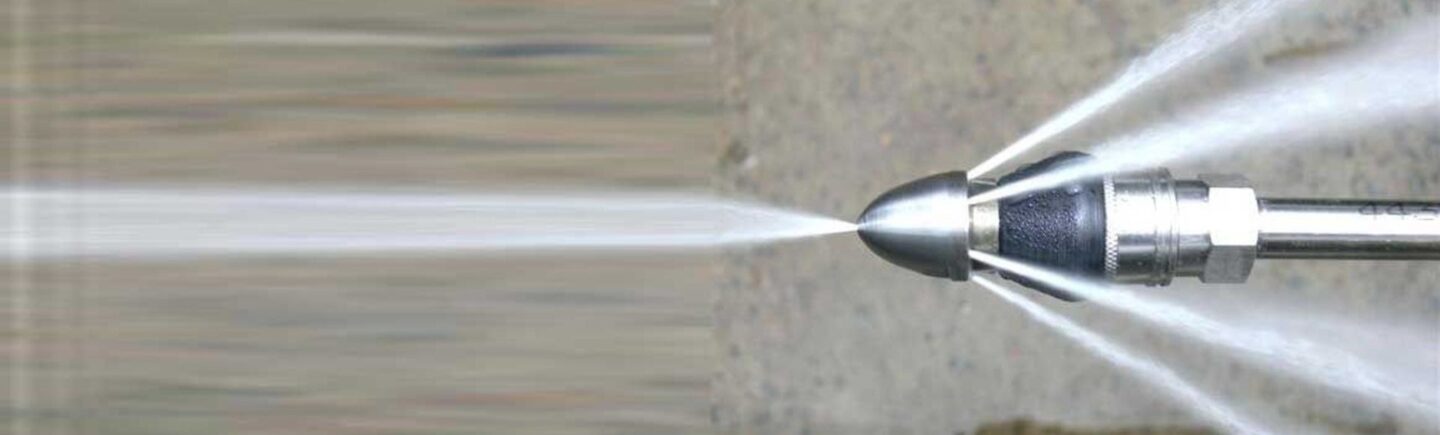
Hydro jetting is one of the most effective methods for cleaning drain and sewer lines, but it is not always the first solution used for every clog. Knowing when to hydro jet a drain is essential for maintaining a healthy plumbing system and avoiding unnecessary wear or expense.
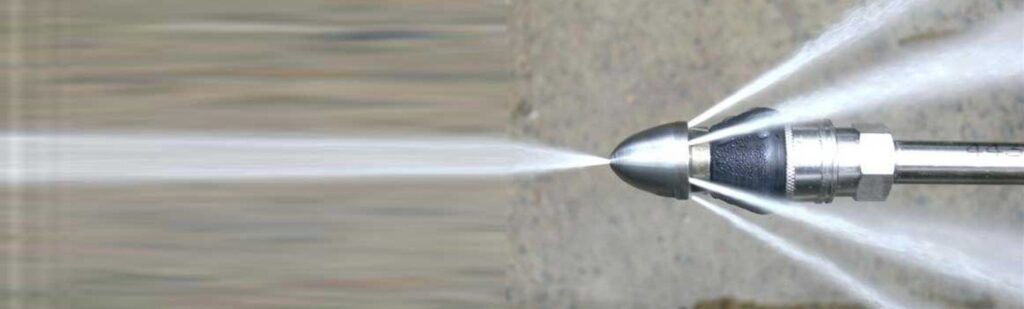
This article explores the situations where hydro jetting is most appropriate and the signs that indicate it may be the right choice.
Recurring Drain Clogs
One of the clearest signs that hydro jetting may be needed is the presence of recurring clogs. If a drain continues to back up even after being cleared with traditional methods like snaking, it often indicates that there is residual buildup along the pipe walls.
Hydro jetting is ideal in these cases because it removes the underlying accumulation rather than just addressing the immediate blockage. This helps prevent the problem from returning in the near future.
Slow Drainage Across Multiple Fixtures
When multiple drains in a property begin to slow down at the same time, it may point to a blockage deeper within the system, such as in the main sewer line. This type of issue often involves a significant buildup of grease, sludge, or debris.
Hydro jetting can effectively clear these deeper blockages and restore full flow capacity throughout the system.
Grease and Sludge Buildup
In environments where grease and organic waste are frequently introduced into the plumbing system—such as kitchens—buildup can occur gradually over time. This buildup may not cause immediate blockages but can eventually restrict flow.
Hydro jetting is particularly effective for removing grease and sludge, making it a suitable option when these materials are suspected to be the cause of drainage issues.
Preventative Maintenance
Hydro jetting is not only used reactively but also as a preventative measure. In systems that experience heavy use, periodic hydro jetting can help maintain optimal flow and reduce the risk of future clogs.
This is especially relevant in older plumbing systems or properties with a history of drainage issues.
Presence of Tree Roots
Tree roots are a common cause of sewer line blockages, particularly in outdoor or underground pipes. If roots are detected during an inspection, hydro jetting may be used to cut through smaller intrusions and clear the line.
However, more extensive root damage may require additional repair methods beyond hydro jetting alone.
Before Major Plumbing Work
In some cases, hydro jetting is performed prior to other plumbing procedures, such as pipe lining or repairs. Cleaning the pipe thoroughly ensures that the work can be completed effectively and that no debris interferes with the process.
Situations Where Hydro Jetting May Not Be Ideal
While hydro jetting is highly effective, it is not always appropriate. Pipes that are severely damaged, corroded, or structurally compromised may not be able to handle the pressure. In such cases, alternative methods or repairs may be necessary.
Conclusion
Hydro jetting is best used in situations involving significant buildup, recurring clogs, or the need for deep cleaning. By recognizing the signs that indicate when hydro jetting is appropriate, property owners can take a more strategic approach to maintaining their plumbing systems and preventing future issues.