
Drain clearing is a fundamental aspect of plumbing maintenance that involves removing blockages and restoring proper flow within a drainage system. While it may sound simple on the surface, drain clearing encompasses a variety of techniques, tools, and underlying causes that are important to understand—especially for homeowners and property managers looking to maintain healthy plumbing systems.
At its core, drain clearing refers to the process of eliminating obstructions that prevent water and waste from flowing freely through pipes. These obstructions can occur in sinks, bathtubs, showers, toilets, and main sewer lines. When a drain becomes partially or fully blocked, it can lead to slow drainage, unpleasant odors, gurgling sounds, or even complete backups.
Common Causes of Drain Blockages
Understanding what causes clogs is key to understanding drain clearing. In residential settings, the most common culprits include grease, food waste, soap scum, and hair. In kitchens, fats, oils, and grease can cool and solidify inside pipes, creating sticky surfaces that trap other debris. Over time, this buildup narrows the pipe diameter and restricts flow.
In bathrooms, hair and soap residue tend to bind together, forming dense clogs that are difficult to break apart without proper tools. Toilets can become blocked due to excessive toilet paper usage or flushing non-flushable items like wipes or hygiene products.
In outdoor or main sewer lines, the causes can be more complex. Tree roots often invade pipes through small cracks or joints, expanding over time and creating significant blockages. Soil shifting, pipe corrosion, and scale buildup can also contribute to drainage issues.
Methods of Drain Clearing
There are several methods used to clear drains, each suited to different types of blockages and pipe conditions. The simplest methods include plunging and the use of handheld drain snakes. These tools are often effective for minor clogs located near the drain opening.
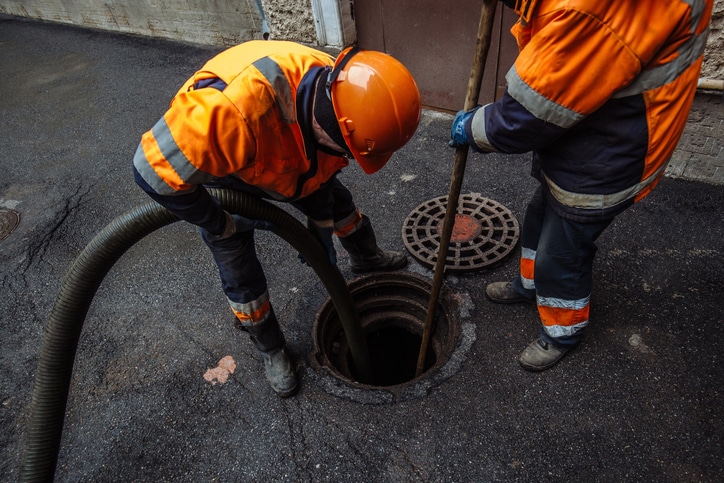
For deeper or more stubborn blockages, more advanced equipment is typically required. Mechanical augers, also known as drain snakes, are designed to travel further into the pipe and break apart clogs. These devices can cut through debris, dislodge obstructions, and restore flow.
Another method is hydro jetting, which uses high-pressure water to thoroughly clean the inside of pipes. Unlike mechanical methods that may only punch a hole through a blockage, hydro jetting removes buildup along the entire pipe wall, making it especially effective for grease and sludge accumulation.
Signs That Drain Clearing Is Needed
There are several indicators that a drain may need clearing. Slow drainage is often the first sign, followed by recurring clogs that return shortly after being cleared. Foul odors can indicate trapped organic material decomposing inside the pipe. Gurgling sounds may suggest air is trapped due to restricted flow.
In more severe cases, water may back up into sinks, tubs, or floor drains. When multiple fixtures are affected simultaneously, it may indicate a blockage in the main sewer line rather than an isolated drain.
Preventative Considerations
Drain clearing is not only reactive but can also be preventative. Regular maintenance helps reduce the likelihood of major blockages forming. Simple habits such as avoiding pouring grease down the sink, using drain strainers, and being mindful of what is flushed can go a long way in preserving pipe health.
In addition, periodic inspections—especially in older homes—can help identify potential issues before they escalate. Understanding the condition of your plumbing system allows for more informed decisions regarding maintenance and repairs.
Conclusion
Drain clearing is an essential component of maintaining a functional plumbing system. By understanding the causes of blockages, the methods used to clear them, and the signs of developing issues, property owners can take a more proactive approach to plumbing care. Whether dealing with a minor clog or a more complex obstruction, the goal of drain clearing remains the same: restoring proper flow and preventing further complications within the system.