
Hydro jetting is a powerful and highly effective method used in plumbing to clean and clear drain and sewer lines. Unlike traditional techniques that may only address the immediate blockage, hydro jetting provides a comprehensive cleaning solution by using high-pressure water to remove buildup along the entire interior of a pipe.
Understanding the basics of hydro jetting can help property owners better grasp how it works, when it’s appropriate, and why it is considered one of the most thorough drain cleaning methods available.
What Is Hydro Jetting?
Hydro jetting is a process that uses specialized equipment to deliver water at extremely high pressure—often ranging from 3,000 to 4,000 PSI—through a hose and nozzle inserted into a plumbing system. The force of the water is strong enough to break apart clogs and wash away debris, grease, scale, and even tree roots in some cases.
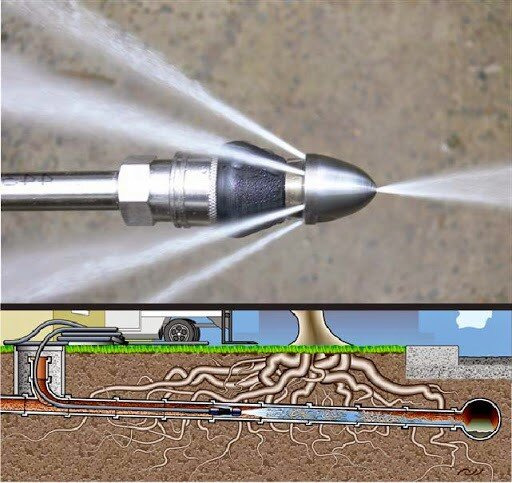
The nozzle used in hydro jetting is designed with multiple jets that spray water in different directions. Forward-facing jets help break through blockages, while rear-facing jets propel the hose through the pipe and clean the walls as it moves.
How Hydro Jetting Works
The process begins by accessing the plumbing system through a cleanout or other entry point. Before hydro jetting is performed, it is common to inspect the line—often using a camera—to assess the condition of the pipe and determine whether it can safely withstand high-pressure cleaning.
Once the system is deemed suitable, the hydro jetting hose is inserted into the pipe. Water is then pressurized and released through the nozzle, cutting through obstructions and flushing debris out of the system. As the hose moves through the pipe, it scrubs the interior surfaces, removing buildup that could lead to future clogs.
Types of Blockages Hydro Jetting Can Address
Hydro jetting is particularly effective for certain types of blockages. Grease buildup is one of the most common, especially in kitchen lines. Over time, grease hardens and coats the inside of pipes, creating a sticky surface that traps debris. Hydro jetting can fully remove this layer.
Sludge, soap scum, and mineral scale are also effectively cleared using this method. In some cases, hydro jetting can even cut through small tree root intrusions, although more severe root problems may require additional methods.
Advantages of Hydro Jetting
One of the primary advantages of hydro jetting is its thoroughness. Unlike mechanical tools that may only create a path through a blockage, hydro jetting cleans the entire pipe, reducing the likelihood of recurring issues.
It is also a non-invasive method, as it does not require digging or dismantling pipes. Additionally, hydro jetting relies solely on water, making it a chemical-free cleaning option.
Considerations and Limitations
While hydro jetting is highly effective, it is not suitable for all situations. Older or fragile pipes may not be able to withstand the high pressure and could be damaged if not properly evaluated beforehand. This is why inspection is a critical step in the process.
Hydro jetting is also generally more intensive than basic drain clearing methods, making it more appropriate for significant buildup or recurring issues rather than minor clogs.
Conclusion
Hydro jetting is a powerful and versatile drain cleaning technique that offers a deep and lasting solution for many types of plumbing blockages. By understanding how it works and what it is best suited for, property owners can make more informed decisions about maintaining their drainage systems.